Blog
Articles on training physiology, fitness data and how to make sense of the numbers.
Nov 11 · 5 min read
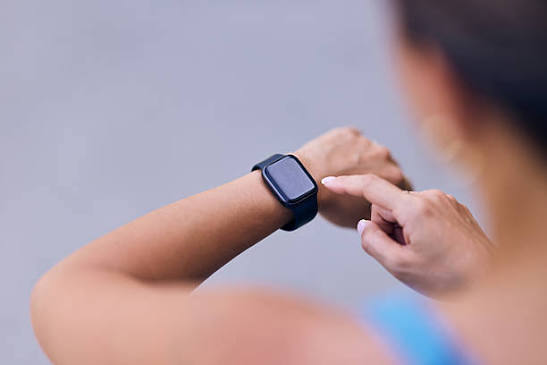
When your watch says you're improving, should you believe it?
Your watch's VO₂ max is an estimate. Here's what the research says about its accuracy, why it moves, and how to tell real progress from noise.
Read the postarrow_forward
Nov 4 · 10 min read
We track everything. But do we really understand our fitness?
Wearables give endurance athletes plenty of fitness data. What steps, heart rate, pace, calories and oxygen uptake estimates can and can't tell you.
Read the postarrow_forward
Sep 17 · 4 min read
How ARO2 Senses Your Breath
No hoses, no metabolic cart. Here's the physiology behind how the ARO2 sensor pod turns a single sealed breath into live VO2, ventilation and RER.
Read the postarrow_forward
Sep 11 · 2 min read
Founder Showcase
Founder and CEO Matthew Behr on ultramarathons, why AeroCardia exists, and building a device that measures instead of estimates.
Read the postarrow_forward
Aug 20 · 4 min read
Peak Performance: The Tour de France Guide to VO2 Max
What three weeks of racing at the limit of human endurance teaches the rest of us about VO2 max, pacing, and training.
Read the postarrow_forward
Jul 27 · 4 min read
The Ultimate Guide to VO2 Max: Measurement, Normative Data, and Performance Optimization
How VO2 max is measured, what an elite score looks like by age and sex, and the training protocols that actually move it.
Read the postarrow_forward
Jul 13 · 3 min read
What Is VO2 Max, and Why Does It Matter?
What VO2 max is, why it matters for endurance training, and how to measure it, in the lab and on the go.
Read the postarrow_forward